War and Memories
War and Memories

War and Memories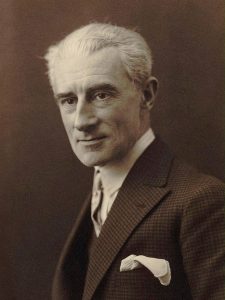
By Keith Simon
There is no doubt war and the effects of war have inspired countless works in the classical genre. An example is one of my favorite works by one of my favorite composers – Le Tombeau de Couperin (The Tomb of Couperin) by French composer and pianist Maurice Ravel.
Ravel served in the French army during World War One as a driver and experienced combat firsthand, losing many friends during that bloody conflict. Each movement of Le Tombeau de Couperin is dedicated to the memory of those friends.
The piece, like many of Ravel’s works, originated in solo piano form and was later orchestrated. The solo piano version has six movements (for six friends), but the orchestrated version contains only four.
The title itself suggests a piece written in memorium, most likely to French Baroque-era composer François Couperin (“The Great”), but Ravel stated he intended to pay homage more to the style of the Baroque period. With its subject matter, one would expect Ravel to create a sad, moody, or somber piece. Instead, he created beautiful and joyous works, perhaps to remember his lost comrades as they lived.
Listening to Le Tombeau de Couperin, one can enjoy the beautiful, impressionist melodies created by Ravel, but also appreciate the loss of his friends, not to mention the effect it had on his physical and mental health.