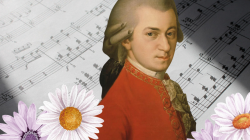
 It has been called “the opera of operas” and many opera lovers regard Mozart’s Don Giovanni as the greatest opera ever written. Originally titled Il dissoluto punito, ossia il Don Giovanni (The Rake Punished, or Don Juan), Mozart’s masterpiece had its first performance at the National Theater in Prague on October 29, 1787. Earlier that year Mozart had visited Prague where The Marriage of Figaro was enjoying an overwhelming success. The theater commissioned a new opera from Mozart, and he and Lorenzo da Ponte, his Italian librettist in Vienna with whom he had collaborated on Figaro, immediately set to work on the new opera.
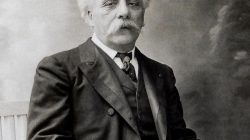
Da Ponte called his libretto a dramma giocoso, which was a common designation of the time denoting a mix of serious and comic elements. Mozart, however, entered the work into his catalogue as an opera buffa (comic opera), while the reality is the work blends comedy and drama with a healthy dose of the supernatural, thus making it almost impossible to classify. The story follows the escapades of the quintessential libertine Don Juan on his last day on earth, during which time he abuses and outrages every other character in the opera until finally meeting his fate at the hand of a Statue of a man he had killed in a duel. It is this very combination of seemingly disparate elements that makes Don Giovanni the undisputed masterpiece it is, and it has inspired thoughtful commentary from musicians, philosophers, authors and playwrights for years, with Gustave Flaubert calling Don Giovanni, Hamlet, and the sea “the three finest things God ever made” and Charles Gounod writing “Mozart’s Don Giovanni is … a work without blemish, of uninterrupted perfection.”